
The wellness origin story: a word born in Cesena
In the early 1990s, I sat at my desk in Cesena, Italy, and wrote a word that the industry did not yet have: Wellness. I had spent my twenties building strength equipment by hand — my first machine, a hack squat welded in the family garage, installed in a local gym where the bodybuilders said ‘Wow, amazing.’ But I had already understood something larger: the future was not about muscles, it was about mass-market health. In 1993, at the California International Conference in Rimini, I formally presented the concept, rooted in the ancient Roman ideal of mens sana in corpore sano — a healthy mind in a healthy body. Fitness, I argued, was about looking good. Wellness was about feeling good: a 24/7 balance of body, mind, and spirit. Three decades later, that idea has scaled into an industry of more than 85,000 wellness centers across 100 countries, serving roughly 55 million people daily. The road signs at the entrance to my hometown now read ‘Wellness Valley.’ For equipment buyers, the question is not historical — it is practical: what does this distinction actually change when you are signing the purchase order?
Fitness vs wellness: the real boundary is your facility model
The conceptual boundary between fitness and wellness is real, but it is routinely misread — especially in English-speaking markets, where wellness is often treated as ‘a lighter version of fitness’ or worse, as marketing talk. It is neither. Fitness is performance-oriented: strength, cardio capacity, power, and body composition, measured by metrics like max weight, top speed, or VO2 max. Wellness is life-oriented: recovery, energy, mobility, sleep, stress reduction, and the long-term health span of the member. One asks what the body can do; the other asks how the person feels across a 24/7 lifestyle.
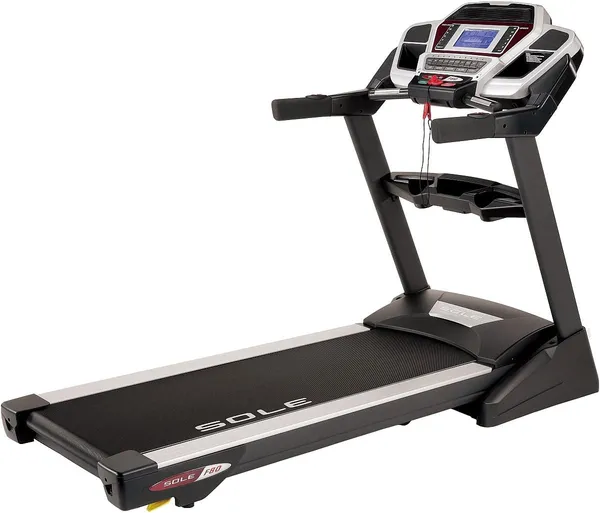
Here is the thesis that should drive every procurement decision: the difference is in the facility model, not the equipment category. A treadmill is neither fitness nor wellness equipment — the model of your facility decides what it becomes. In a fitness gym, that treadmill is a training tool: users chase speed, incline, and distance, and you evaluate it by performance metrics and throughput. In a wellness center, it is a low-impact activity entry point: users walk at a comfortable pace for 20 to 30 minutes, and you evaluate it by recovery outcomes, accessibility, and retention. The same machine. Two completely different purchase criteria.
This is not a semantic exercise. It changes what you buy, how you allocate budget, how you design your floor, and how you train your staff. The first decision is never ‘which brand.’ The first decision is ‘which model am I running?‘
Equipment matrix: fitness vs wellness categories
Once you separate the two models, the equipment categories sort themselves. The table below compares the categories a buyer typically evaluates, with the purpose, typical buyer, and primary metric attached to each.
| Category | Purpose | Typical Buyers | Primary Metric |
|---|---|---|---|
| Treadmill | Fitness: speed and incline training. Wellness: low-impact walking entry. | Performance gyms; corporate and active-aging centers | Fitness: top speed and power. Wellness: belt softness and onboarding ease |
| Strength equipment | Fitness: muscle and power. Wellness: functional strength at moderate loads. | Athletic clubs; wellness centers serving 50+ members | Fitness: load capacity. Wellness: joint-friendly movement patterns |
| High-intensity gear (rowers, air bikes, functional rigs) | Conditioning and maximum effort | Boutique and athletic facilities | Power output and durability |
| Recovery assets (compression, percussion, massage, sauna) | Circulation, relaxation, and recovery | Recovery lounges, corporate wellness, premium clubs | Utilization rate and perceived recovery outcome |
| Mind-body (mobility, stretching, Pilates, yoga) | Flexibility, posture, and mental balance | Wellness studios and corporate centers | Class capacity and attendance consistency |
| Low-impact cardio (ellipticals, recumbent bikes, adaptive units) | Joint-friendly aerobic base | Active aging and clinical-adjacent facilities | Accessibility and comfort |
Notice what is missing: ‘wellness equipment’ is not a separate product family. The same treadmill, the same rower, the same strength machine appears in both columns. What changes is the job you hire it to do.
How to buy: the 5-dimension procurement framework
Stop asking ‘is this fitness or wellness equipment?’ and start asking ‘which model is my facility?’ Once that is fixed, procurement collapses into five dimensions. Each comes with a concrete question you should put to every vendor — and to yourself.
-
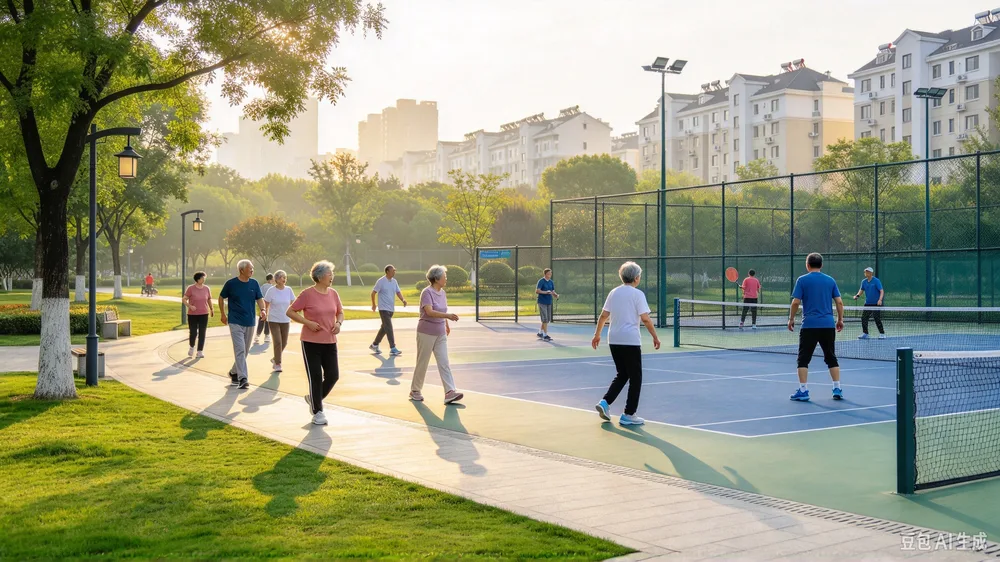
Low-impact priority. In the fitness model, impact is a feature; in the wellness model, it is a filter. A significant share of wellness members — older adults, desk-bound employees, post-rehab users, people managing chronic conditions — cannot safely start with high-impact training. Question to ask: ‘What percentage of my target members could not comfortably complete a 20-minute jog tomorrow?’ If the number is meaningful, every cardio purchase gets evaluated for accessibility before performance.
-
Recovery-asset allocation ratio. Recovery is the defining characteristic of the wellness model. Is recovery a 10% amenity bolted on at the edge of the weight floor, or a 35% department with its own space, staff, and budget? In a wellness facility, recovery is not what members do after training — it is the reason many of them walk through the door. Question: ‘What share of floor space and budget is committed to non-training assets?’
-
Space and experience design. Fitness measures machines per square meter; wellness measures the emotional journey. A wellness member is often anxious, unfit, and easily intimidated. The layout must make them feel competent within the first five minutes. Question: ‘Does this floor plan invite a 55-year-old beginner, or does it intimidate them?’
-
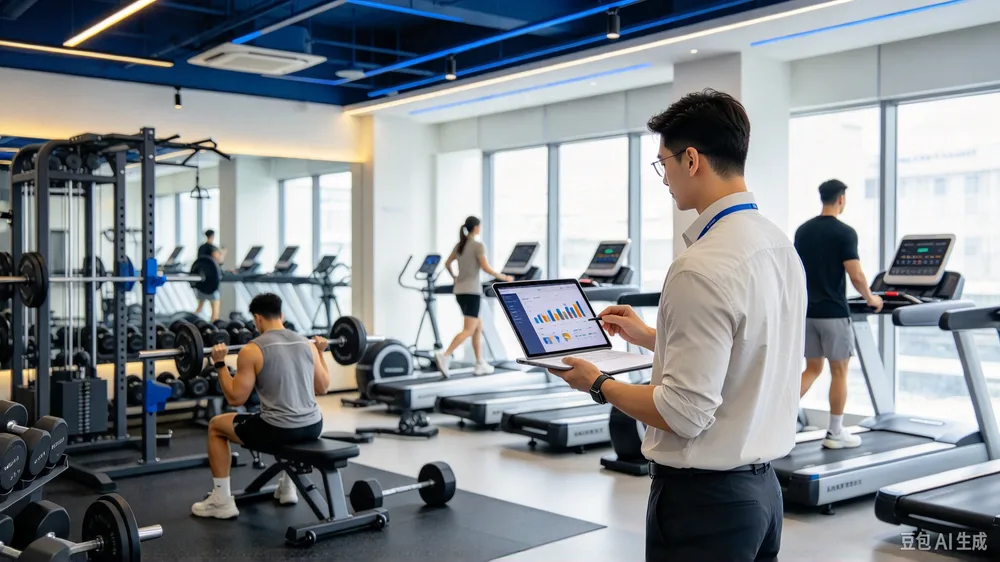
Data and personalization. Most people’s training programs are wrong because they lack proper feedback. Personalization is everything. But tracking without prescription creates stress, not value — many people wear the bracelet but the battery is not working. Question: ‘Can this equipment capture meaningful data — heart rate, duration, recovery readiness — and convert it into a personalized next step?’
-
Member retention logic. Fitness clubs sell results; wellness centers sell habits. A machine that impresses in week one but intimidates in month three is a liability. The wellness model favors comfortable, social, low-intimidation assets that a member will still use at month nine. Question: ‘Which of these purchases will still be used nine months from now?‘
Budget allocation rules: wellness vs fitness models
Budget is where the two models visibly separate. As a framework based on industry practice — not an absolute statistic — the wellness model allocates roughly 40% of equipment budget to cardio, 25% to strength, and 35% to recovery and mind-body assets. The traditional fitness model is the mirror image: 60% cardio, 30% strength, 10% recovery.
Read those numbers carefully. The difference is not a different brand of treadmill — it is a different distribution of purpose. In the wellness model, recovery and mind-body assets are not an afterthought; they are the second-largest line item. This is a direct response to a catastrophic misallocation in healthcare itself, where roughly 97% of spending goes to cure and only 3% to prevention. A wellness facility is built to reverse that logic at the member level.
For single-machine decisions, the wellness model uses three metrics: low-impact, space efficiency, and data/experience integration. Maximum weight and top speed are not on the list. When a sales representative tells you a unit has a 400-pound weight stack and a 20 km/h top speed, ask instead: Can a 60-year-old with knee concerns use it comfortably? Does it earn its square meters? Does it connect to the member’s data journey? If the answer to any of those questions is no, it is the wrong machine — regardless of the logo on the side.
Quick reference: the buyer’s cheat sheet
For a quick reference, here is the entire distinction reduced to a single table. Use it in your next procurement meeting.
| Concept | Equipment Focus | Budget Allocation (Framework) | Decision Rule |
|---|---|---|---|
| Fitness model | Performance-first: output, capacity, conditioning | Cardio 60% / Strength 30% / Recovery 10% | Evaluate by power, throughput, and durability |
| Wellness model | Recovery-first: accessibility, comfort, habits | Cardio 40% / Strength 25% / Recovery + Mind-Body 35% | Evaluate by low-impact entry, experience, and retention |
| Hybrid model | Blended member base | Adjust ratio to actual demographics | Fix your model first, then allocate |
| Any single machine | Depends on the job you hire it to do | — | Judge on low-impact, space efficiency, and data/experience integration |
Keep one sentence on the wall — the three-hook procurement rule: ① fix your model first, ② allocate your budget to that model, ③ judge every machine by three metrics: low-impact, space efficiency, and data/experience integration.
FAQ
What is the difference between fitness and wellness equipment?
Fitness equipment is designed to improve physical performance — strength, cardio capacity, power, and body composition — and is typically measured by performance metrics like max weight, speed, or VO2 max. Wellness equipment is designed to support overall well-being — recovery, relaxation, low-impact movement, and mind-body connection — and is typically measured by recovery outcomes, comfort, and engagement. The same machine can sit in either category: what decides it is the model of your facility and the population you serve.
Is a treadmill fitness or wellness equipment?
A treadmill is neither inherently — the model of your facility decides what it becomes. In a fitness gym it is a training tool: users chase speed, incline, and distance, and you evaluate it by performance metrics. In a wellness center it is a low-impact activity entry point: users walk at a comfortable pace for 20-30 minutes, and you evaluate it by recovery metrics, accessibility, and retention. Wellness facilities typically spec treadmills with lower top speeds, gentler belts, and easier onboarding instead of high-end performance models.
What equipment does a corporate wellness center need?
A corporate wellness center is recovery-first, so the mix skews toward low-impact cardio, light strength, and a meaningful recovery and mind-body zone. A practical starting allocation: cardio 40% (treadmills, ellipticals, bikes, rowers), strength 25% (selectorized and functional light-to-moderate), and recovery + mind-body 35% (stretching, mobility, massage chairs, recovery tools, and quiet spaces). The exact mix depends on the workforce profile — desk-heavy teams need more mobility and recovery, field teams need more functional strength.
How should a wellness facility allocate its equipment budget?
As a framework based on industry practice, a wellness-model facility allocates roughly 40% to cardio, 25% to strength, and 35% to recovery + mind-body — the mirror image of the traditional fitness 60/30/10 split. Before any allocation, fix your model: training-first (fitness) or recovery-first (wellness). Then evaluate every single machine on 3 metrics: low-impact, space efficiency, and data/experience integration — not maximum weight or top speed.
The verdict: who should buy which model
Who should buy the fitness model? If your members arrive to train — to build muscle, raise their VO2 max, or prepare for sport — allocate like a fitness facility. Follow the 60/30/10 pattern, prioritize durable high-output equipment, and judge machines by performance and capacity.
Who should buy the wellness model? If your members arrive to feel better — corporate employees, active aging adults, post-rehab populations, people carrying chronic disease risk — allocate like a wellness facility. Follow the 40/25/35 pattern, invest seriously in recovery and mind-body space, and judge every machine by whether it will still be used nine months from now.
The wellness economy is the next great renaissance, and it is not an American fitness import — it is an Italian philosophy two thousand years in the making. But no philosophy helps a buyer choose a treadmill. Models do. Fix yours, allocate to it honestly, and let the equipment follow the purpose.
For further guidance, compare equipment brands across categories with objective ROI criteria, explore the full equipment category library, and review the Technogym brand analysis for the company that coined Wellness. To see how wellness-oriented buying fits the broader market, read our 2026 Global Fitness Trends report and the Silver Health Revolution analysis on the active-aging shift behind low-impact equipment demand. Keep the model fixed, and the purchase decisions become remarkably simple.