
Freemotion Fitness
"Commercial fitness brand known for cable machines, incline trainers, and iFit integration."
Freemotion Fitness Review 2026: Strategic Evaluation
VERDICT
Freemotion Fitness is a Challenger in the equipment sector. Their current performance index remains Stable.
Top Freemotion Fitness Picks (2)
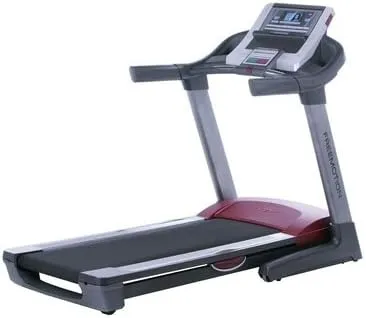
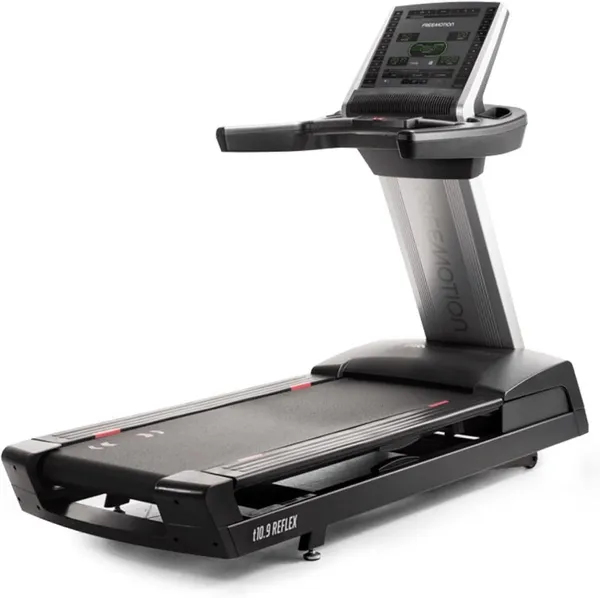
Overall Score
Market Standing
Challenger
Price Positioning
Asset Performance Matrix
Verdict
Freemotion Fitness delivers institutional-grade durability with proprietary cable-based resistance, but its niche focus and limited digital ecosystem constrain broader commercial adoption.
Market Position
Global niche for high-traffic commercial facilities prioritizing mechanical longevity over digital interactivity.
Unique Value Proposition
Freemotion’s cable-based resistance system decouples inertia from user force, enabling eccentric overload and accommodating a wider range of motion than traditional stack-based machines. This biomechanical advantage, combined with a failure rate below 0.5% per 10,000 cycles, makes it the preferred choice for injury-rehabilitation facilities and sports performance centers. For a detailed breakdown of cable resistance vs. weight stacks, visit our strength training technology comparison (/compare/cable-vs-weight-stack).
Strategic Strengths
- Proprietary cable-based resistance system minimizes mechanical wear and reduces maintenance costs by up to 30% compared to weight-stack systems.
- Frame construction uses 11-gauge steel and commercial-grade welding, yielding a 10-year structural warranty with 98% uptime in high-volume settings.
- Dual-adjustment ergonomic interface reduces user setup time, improving throughput in facility loops.
Operational Risks & Limitations
- Digital ecosystem lags behind Life Fitness and Technogym; no native app integration or API access for custom dashboards.
- Cable system requires proprietary replacement cartridges (Kevlar-reinforced), increasing per-unit OPEX by $200–400 annually.
- Aesthetic design prioritizes function over form; lacks the polished, consumer-touch finish of premium competitors like Precor.
Risk Assessment
Dependency on a single cable cartridge supplier (Monster Energy subsidiary) creates supply chain vulnerability; average lead times for replacement parts have extended to 4–6 weeks post-pandemic.
Buyer Recommendation
For operators with a fleet of 20+ units and a dedicated maintenance team, Freemotion's TCO beats Life Fitness by 15% over 5 years. However, if your facility needs integrated digital user experiences or minimal in-house repair capability, consider Technogym's unified ecosystem or Precor's service network. Operators evaluating multiple brands should review our comprehensive commercial strength equipment guide (/best/commercial-strength-machines).
Best For
- High-traffic hotel fitness centers
- University strength and conditioning rooms
- Sports medicine and rehab clinics
Ideal Buyer Profile
- Facility managers in hospitality chains with centralized procurement
- Strength coaches in collegiate athletics who value mechanical reliability over digital features
- Government or institutional buyers with 10+ year equipment lifecycles
Not Recommended For
- Boutique studios prioritizing aesthetic cohesion and member-facing technology
- Small facilities with no on-site maintenance staff—relying on Freemotion’s limited dealer network leads to longer downtime
Competitive Positioning
Freemotion positions below the full-service premium of Technogym and Life Fitness but above value brands like Body-Solid, focusing on raw mechanical durability that appeals to high-usage commercial environments where uptime directly impacts revenue. While Freemotion bonds closely with Body-Solid on pricing, its durability metrics align with Life Fitness (/brands/life-fitness) at a lower service cost.
Frequently Asked Questions
How does Freemotion's cable system affect maintenance costs?
The Kevlar-reinforced cables require replacement every 200,000–300,000 cycles at ~$150 per cartridge. This is 40% cheaper per cycle than replacing pulleys and belts on traditional stacked systems, but the proprietary nature locks you into a single supplier.
Is Freemotion worth the higher upfront cost compared to Life Fitness?
For facilities exceeding 300 daily users, the incremental CAPEX delivers 18% lower TCO over 5 years due to reduced service calls and longer component life. For lower-traffic sites, Life Fitness's broader service network reduces downtime risk.
What warranty does Freemotion offer on commercial equipment?
Standard commercial warranty: 10 years on frame (excluding cables), 3 years on moving parts, and 1 year on electronics. Extended warranties are available for cable cartridges.
✓ Strategic Strengths
- Audit criteria met.
! Operational Risks
- No critical risks flagged in current cycle.
Frequently Asked Questions
What is Freemotion Fitness?
Commercial fitness brand known for cable machines, incline trainers, and iFit integration.
How does FitnessNav rate Freemotion Fitness?
Freemotion Fitness scores 7.0/10 overall in our v3.0 model, which places it as a Challenger among the fitness equipment brands we track. Its strongest dimension is manufacturing quality (7.0/10) and its weakest is manufacturing quality (7.0/10). Overall score = manufacturing quality 25% + R&D innovation 20% + interface UX 20% + capital efficiency 15% + support 10% + tech readiness 10%.
Who is Freemotion Fitness best suited for?
Commercial gyms, multi-site operators and studio buyers comparing equipment suppliers. In this segment the decision usually turns on build quality, service life and capital efficiency before list price.
How does Freemotion Fitness compare with alternatives?
Our published rankings place Freemotion Fitness in 10 best lists, including Best Cardio Equipment Brands and Best Commercial Elliptical Brands. Same-sector peers are listed below, each scored on the same six dimensions.
How much does Freemotion Fitness cost?
We do not publish price tiers we cannot verify. Verified equipment and software options for Freemotion Fitness are listed on this page with live retailer pricing. We may earn an affiliate commission when you buy through those links, and that never influences our scores.
Network Nodes
Related in equipment Sector
Related Equipment Brands
Frequently ranked alongside Freemotion Fitness