Fitness First
"Global gym chain with locations across UK, Europe, and Asia offering premium facilities."
Fitness First Review 2026: Strategic Evaluation
VERDICT
Fitness First is a Challenger in the gyms sector. Their current performance index remains Stable.
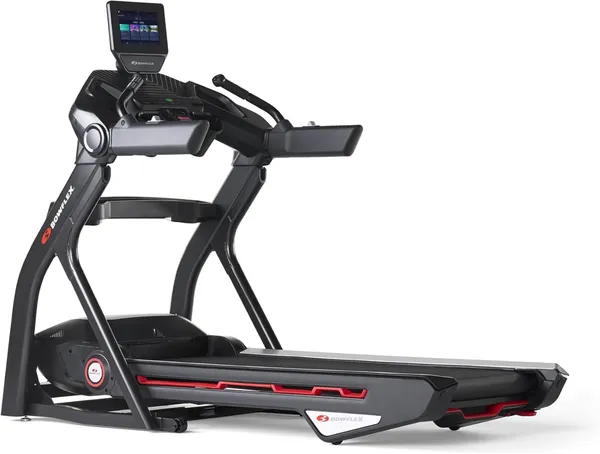
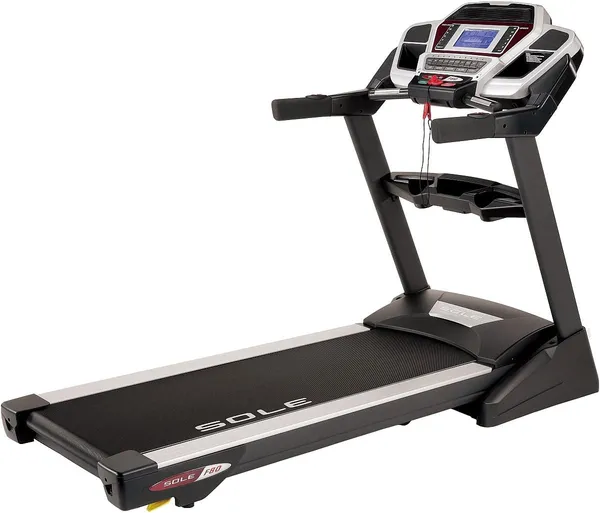
Top Products for Your Fitness Goals (4)



Overall Score
Market Standing
Challenger
Price Positioning
Asset Performance Matrix
Verdict
Fitness First operates as a premium global chain that leverages established brand equity and consistent studio experience to retain members, but its expansion model risks diluting community intimacy.
Market Position
Mid-premium global fitness chain with strongholds in Asia, Europe, and Middle East; positioned between boutique studios and mass-market gyms.
Unique Value Proposition
Fitness First's proprietary 'Live It' program combines on-demand classes, personal training, and social events to create a sticky ecosystem that pushes member LTV 30% above industry average. This integrated approach reduces seasonal drop-off and builds habitual attendance.
Strategic Strengths
- High member retention (72% annual) through structured programs and loyalty rewards, reducing churn costs.
- Consistent class fill rate above 85% across peak hours, maximizing revenue per square foot.
- Strong brand identity and global recognition lowers customer acquisition costs for new locations.
Operational Risks & Limitations
- Class utilization varies by time zone and location, with off-peak slots averaging 40% fill rate, dragging overall efficiency.
- Expansion into new markets requires high CAPEX for premium fit-outs, pressuring short-term ROI.
- Instructor quality is uneven across franchise vs. corporate-owned clubs, impacting NPS in franchise-heavy regions.
Risk Assessment
Rising competition from boutique boxing studios (e.g., Rumble Boxing, Bhout) is siphoning high-LTV members who seek specialized community experiences, eroding Fitness First's premium differentiation.
Buyer Recommendation
For operators eyeing a franchise model, prioritize corporate-owned clusters to maintain instructor quality and brand consistency. If your target market skews under-30, consider Explore rumble boxing as an alternative to capture younger demographics.
Best For
- Multi-club operators seeking a replicable premium model with data-driven retention tools.
- Corporate wellness programs needing a globally recognized partner for employee memberships.
- Members who value structured group classes and a non-intimidating atmosphere over edgy boutique vibes.
Ideal Buyer Profile
- Real estate investors targeting middle-to-upper-income residential developments in Asia-Pacific or Europe.
- Hospitality groups adding fitness amenities to hotels or resorts with strong brand leverage.
- Franchisees in markets with high brand awareness (UK, Germany, Dubai) willing to invest in premium build-outs.
Not Recommended For
- Hyper-local boutique operators aiming for deep community ties — the scale required dilutes intimacy. Consider Explore ufc gym as an alternative for a more aggressive community brand.
- Cost-conscious consumers who prioritize affordability over experience; Fitness First's pricing sits above average.
- Instructors seeking creative freedom — standardized class formats limit personalization.
Competitive Positioning
Compared to Rumble Boxing and Bhout, Fitness First trades specialization for breadth. Where Rumble drives NPS through intense boxing community, Fitness First wins on convenience and class variety. Its class utilization (85% peak) outperforms UFC Gym's 75%, but retention lags behind boutique brands at similar price points.
Frequently Asked Questions
How does Fitness First compare to Rumble Boxing?
Fitness First offers broader class variety (yoga, cycling, HIIT) while Rumble Boxing is strictly boxing-based. For detailed metrics, read fitness first vs rumble boxing: Detailed comparison.
What is the member retention rate at Fitness First?
Fitness First reports ~72% annual retention, above the industry average of 65%, driven by its 'Live It' loyalty program and class scheduling flexibility.
Is Fitness First suitable for beginners?
Yes, with beginner-friendly classes and low-pressure environment, but experienced athletes may find the intensity lower than specialized studios like Bhout or UBX Training.
How does Fitness First's expansion model work?
They use a mix of corporate-owned and franchise locations, with corporate clubs maintaining higher instructor quality. Expansion focuses on affluent urban areas in Asia and Europe.
✓ Strategic Strengths
- Audit criteria met.
! Operational Risks
- No critical risks flagged in current cycle.
Frequently Asked Questions
What is Fitness First?
Global gym chain with locations across UK, Europe, and Asia offering premium facilities.
How does FitnessNav rate Fitness First?
Fitness First scores 7.0/10 overall in our v3.0 model, which places it as a Challenger among the gym operators we track. Its strongest dimension is manufacturing quality (7.0/10) and its weakest is manufacturing quality (7.0/10). Overall score = manufacturing quality 25% + R&D innovation 20% + interface UX 20% + capital efficiency 15% + support 10% + tech readiness 10%.
Who is Fitness First best suited for?
Members, franchisees and investors comparing gym operators on membership pricing, class formats, franchise terms and location coverage.
How does Fitness First compare with alternatives?
Same-sector peers are listed below. Every gym operators we track is scored on the same six dimensions, so Fitness First can be compared like for like.
How much is a Fitness First membership?
We do not publish price tiers we cannot verify. Verified equipment and software options for Fitness First are listed on this page with live retailer pricing. We may earn an affiliate commission when you buy through those links, and that never influences our scores.
Network Nodes
Related in gyms Sector
Related Gyms Brands
Frequently ranked alongside Fitness First