
Bells of Steel
"Canadian home gym equipment brand known for power racks, cable towers, and barbells."
Bells of Steel Review 2026: Strategic Evaluation
VERDICT
Bells of Steel is a Challenger in the equipment sector. Their current performance index remains Stable.
Top Bells of Steel Picks (2)
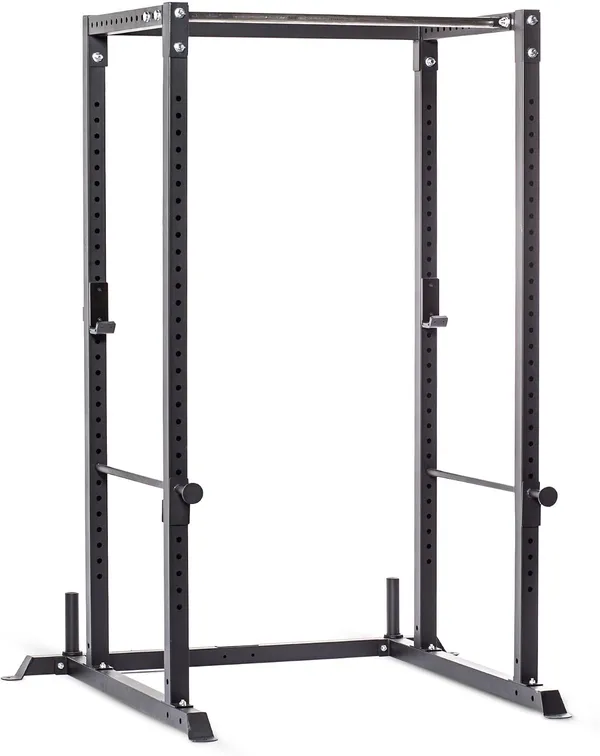
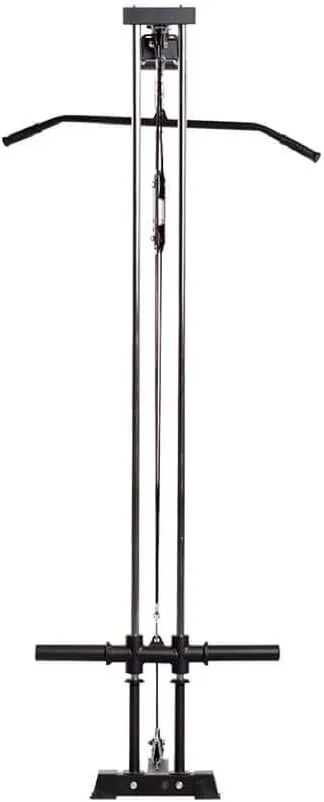
Overall Score
Market Standing
Challenger
Price Positioning
Asset Performance Matrix
Verdict
Bells of Steel offers a compelling cost-to-durability ratio for small-to-mid commercial operators, undercutting premium brands without catastrophic failure risk.
Market Position
Direct-to-consumer Canadian manufacturer targeting value-conscious commercial and garage gym owners with heavy-duty steel strength equipment.
Unique Value Proposition
Bells of Steel bypasses distributor margins entirely with a direct e-commerce model, translating 20-35% cost savings into heavier steel gauge and thicker pads than similarly priced competitors like Titan Fitness. Their cable attachment systems (e.g., Functional Trainer) use linear bearings instead of bushings, reducing friction wear and increasing cable lifespan by ~30% compared to budget alternatives.
Strategic Strengths
- 14-gauge and 11-gauge steel construction on power racks and cable attachments maximizes impact resistance and extends 20+ year lifespan, directly reducing CAPEX replacement cycles.
- Bolt-together design with standardized hardware (M10 bolts, 1-inch holes) lowers maintenance labor costs by enabling rapid field repairs with off-the-shelf parts.
- Commercial warranty (2-year parts, 1-year labor) on core racks and bars provides a predictable maintenance budget baseline at 30-40% lower upfront cost vs. Rogue or Sorinex.
Operational Risks & Limitations
- Powder coat finish consistency varies across batches, leading to early cosmetic wear in high-humidity environments that may require premature refinishing.
- Customer support response times exceed 48 hours for international orders outside Canada and US, increasing downtime risk for time-sensitive commercial repairs.
- Limited R&D investment in digital integration (no app-based programming, no on-screen metrics) restricts applicability for tech-driven boutique studios.
Risk Assessment
Over-reliance on a single overseas foundry for steel casts creates supply chain bottleneck risk that could delay large-scale commercial deployments by 8-12 weeks.
Buyer Recommendation
Deploy in single-location facilities (CrossFit boxes, school weight rooms, small PT studios) with ≤50 daily users. For multi-site chains or high-traffic corporate gyms, insist on a pre-production sample and negotiate extended warranty caps.
Best For
- Strength-focused functional training facilities prioritizing barbell and rack durability over digital features.
- Budget-constrained commercial startups seeking to minimize initial CAPEX without compromising structural safety.
- Niche gyms requiring customized rack heights or color options (e.g., orange, red) without paying Sorinex-level premiums.
Ideal Buyer Profile
- Owner-operator of an independent gym with <5,000 sq ft floor space and a hands-on maintenance approach.
- CrossFit affiliate or powerlifting club needing cost-effective competition-grade bars (e.g., their BOS Dip Bar 2.0) with 215,000 PSI tensile strength.
- School district athletic director outfitting a multi-purpose weight room with a 3-station cable system under $3,000.
Not Recommended For
- High-volume commercial gyms (>150 daily users) where powder coat chipping and support latency will erode member experience and raise TCO.
- Tech-integrated fitness studios requiring smart equipment with real-time analytics and OTA firmware updates.
Competitive Positioning
Bells of Steel occupies the 'price-performance sweet spot' between Rogue's premium but expensive fabrication and Titan's acceptable but inconsistent quality, offering heavier steel gauges (11-gauge vs. 12-gauge) at similar or lower prices, while trailing Sorinex in customization speed and warranty duration.
Frequently Asked Questions
Is Bells of Steel equipment good for commercial gyms?
Yes, for low-to-moderate traffic setups (under 50 daily users). Their use of 11-gauge steel and linear bearings in cable systems provides commercial-grade durability at a 30% lower cost than Rogue. However, for high-use environments with over 100 daily sessions, we recommend evaluating their warranty response times and finish durability first.
How does Bells of Steel compare to Rogue and Titan in terms of build quality?
Bells of Steel uses thicker steel (11-gauge vs. 12-gauge) than many Titan racks at similar prices, but Rogue edges ahead in consistent powder coat quality and tighter tolerance welding. For a shop floor indifferent to brand prestige, Bells of Steel offers equivalent structural integrity for lower CAPEX—see our [best power racks comparison] for rack-to-rack metrics.
What is the maintenance cost like for Bells of Steel equipment?
Typical annual maintenance cost for a Bells of Steel cable system is <$150, including lubricant and occasional bushing replacement (linear bearings need re-greasing every 6 months). Their use of standardized hardware (M10 bolts) means any local hardware store can source replacement parts, minimizing downtime and cost.
✓ Strategic Strengths
- Audit criteria met.
! Operational Risks
- No critical risks flagged in current cycle.
Frequently Asked Questions
What is Bells of Steel?
Canadian home gym equipment brand known for power racks, cable towers, and barbells.
How does FitnessNav rate Bells of Steel?
Bells of Steel scores 7.0/10 overall in our v3.0 model, which places it as a Challenger among the fitness equipment brands we track. Its strongest dimension is manufacturing quality (7.0/10) and its weakest is manufacturing quality (7.0/10). Overall score = manufacturing quality 25% + R&D innovation 20% + interface UX 20% + capital efficiency 15% + support 10% + tech readiness 10%.
Who is Bells of Steel best suited for?
Commercial gyms, multi-site operators and studio buyers comparing equipment suppliers. In this segment the decision usually turns on build quality, service life and capital efficiency before list price.
How does Bells of Steel compare with alternatives?
Our published rankings place Bells of Steel in 4 best lists, including Best Cable Machine Brands and Best Elliptical Under $2,000. Same-sector peers are listed below, each scored on the same six dimensions.
How much does Bells of Steel cost?
We do not publish price tiers we cannot verify. Verified equipment and software options for Bells of Steel are listed on this page with live retailer pricing. We may earn an affiliate commission when you buy through those links, and that never influences our scores.
Network Nodes
Related in equipment Sector
Related Equipment Brands
Frequently ranked alongside Bells of Steel